Reviewing Classic Brown Owl for Embroidery Projects
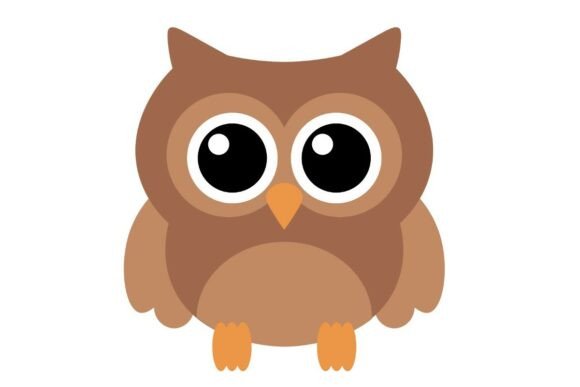
As a designer who spends half my life staring at digitized files and the other half pulling thread out of bobbins, I have learned that not every cute graphic translates well to fabric. We often see adorable illustrations in the Crafts and Graphics categories that look perfect on a screen but turn into a tangled mess under the needle. That is why I approached the Classic Brown Owl with a critical eye. This isn’t just about whether the owl is cute—though it certainly is, with its big round eyes and friendly demeanor—it is about whether this design holds up in the real world of commercial embroidery and handmade goods.
First Impressions and Visual Personality
The first thing that strikes you about the Classic Brown Owl is its approachable simplicity. In an era where overly complex, hyper-realistic designs dominate the market, there is a refreshing quality to this piece. It feels nostalgic, reminiscent of classic storybook illustrations. The layout is balanced, with the large eyes serving as the focal point. For an embroidery designer, this is crucial. Big, open areas allow for smooth fill stitches, while defined outlines provide structure.
The mood here is warm and inviting. It does not scream for attention; rather, it invites a closer look. This makes it a versatile addition to school projects, forest themes, and nature crafts. When I visualize this stitched out, I do not see it as a standalone art piece but as a companion to a larger narrative. It fits naturally into collections that emphasize comfort, nature, and whimsy. The visual personality is soft, which suggests that the digitizing should prioritize softness in the stitch angles to maintain that friendly look.
Real-World Application: The Tote Bag Test
To truly evaluate a design, you must imagine it on a product. Let us consider a custom embroidered tote bag, a staple for any Etsy seller or small shop owner. Canvas is a forgiving fabric, but it has a distinct texture. The Classic Brown Owl, with its solid shapes, would sit beautifully on a natural cotton canvas. The brown tones would complement the earthy feel of the bag, creating a cohesive handmade product that appeals to eco-conscious buyers.
I can also see this working exceptionally well on a sweatshirt. Sweatshirt embroidery requires designs that are not too dense, otherwise, the garment becomes stiff and uncomfortable. If the Classic Brown Owl is digitized with appropriate underlay and moderate stitch density, it would add a charming accent to the chest or sleeve without weighing down the fleece. For baby embroidery, such as on a onesie or burp cloth, the friendly look is a major selling point. Parents gravitate toward soft, non-threatening imagery, and this owl delivers that emotional connection instantly.
Versatility Across Product Lines
Beyond apparel, this design has strong potential in home decor. Imagine it stitched onto a linen pillow cover or a kitchen tea towel. In these contexts, the embroidery file needs to be clean. Any stray threads or poor color transitions would be glaringly obvious on plain, light-colored fabrics. The versatility of this owl allows it to transition from a personalized gift for a bird lover to a standard item in a boutique’s nature-themed collection. It is simple enough to be recognizable from a distance but detailed enough to reward close inspection.
Technical Considerations for Stitching
While the aesthetic is strong, we must discuss the technical execution. Since the product description notes that this download includes one PNG file and one SVG file, it is important to clarify what this means for machine embroiderers. Typically, machine embroidery requires specific formats like PES, DST, or JEF. If you are purchasing this as a digital embroidery file for machine use, you must confirm with the seller if machine-ready formats are included or if this is strictly for hand embroidery or digital printing. Assuming it is available in machine formats, here is how I would approach the stitching.
Stitch Density and Fabric Choice: The round eyes and body of the owl likely utilize fill stitches. On stretchy fabrics like jersey knits, a high-density fill can cause puckering. I would recommend using a cut-away stabilizer to support the design. For woven fabrics like cotton or linen, a tear-away stabilizer might suffice, but testing is key. The thread colors chosen will define the success of the project. A flat brown can look muddy. I suggest using variegated brown threads or blending two shades of brown to add depth to the feathers, mimicking the texture found in real crafts and nature.
Hoop Size and Placement: This design appears compact, making it ideal for smaller hoop sizes. However, when working on curved surfaces like caps, placement is critical. The symmetry of the owl’s face must be perfectly centered. Any deviation will be noticeable because human eyes are wired to detect asymmetry in faces. For embroidered patch creation, this design is excellent. The clear outlines allow for a clean satin stitch border, which prevents fraying and gives the patch a professional, finished edge.
Navigating Potential Pitfalls
No design is without its challenges. Where should you use caution with the Classic Brown Owl? First, consider dark fabrics. If the owl is primarily brown, stitching it onto a black or navy garment may result in poor contrast. The details could get lost. In such cases, I would advise adding a white or cream backing layer, effectively turning it into an applique design, or choosing lighter thread colors for the highlights.
Second, be mindful of tiny details. If the digitizing includes very small satin stitches for the beak or feet, these can break easily during washing. For items that will undergo frequent laundering, such as baby clothes or kitchen towels, ensure that the stitch length is not too long and that the tie-offs are secure. A running stitch outline might be more durable than a thin satin stitch in high-wear areas.
Enhancing Brand Value and Customer Trust
For the craft business owner, the choice of design reflects brand identity. Using a well-balanced, classic design like this owl signals professionalism. It shows that you care about quality and timeless appeal rather than chasing fleeting trends. When customers see a clean, well-stitched owl on a tote bag design or a custom apparel piece, it builds trust. They perceive the item as high-quality, which justifies a higher price point.
Furthermore, this design lends itself well to printable mockup creation. Because the shapes are distinct, it renders clearly in digital previews. This helps online shoppers visualize the final product, reducing return rates and increasing buyer engagement. Whether you are creating holiday embroidery gifts for autumn or year-round nature-themed items, the Classic Brown Owl serves as a reliable asset in your library.
Final Designer Notes
Before you commit to a large production run, always test the design on scrap fabric identical to your final product. Check the tension, inspect the back for excessive buildup, and verify that the stabilizer you are using provides enough support. If you are selling finished items, confirm the licensing terms. While many designers allow commercial use for physical products, restrictions may apply to digital resale.
In conclusion, the Classic Brown Owl is a strong contender for your next embroidery project. It balances charm with practicality, offering a friendly aesthetic that appeals to a wide demographic. By paying attention to fabric choice, thread contrast, and stabilization, you can transform this digital asset into a tangible, high-value finished product that customers will love. It is a reminder that in the world of embroidery, simplicity, when executed with precision, often speaks the loudest.